Handmade Walking Canes Buyer's Guide: What to Know

Affiliate disclosure: Some links on this page are affiliate links. If you buy through them we earn a small commission at no extra cost to you. Recommendations are research-driven; we don't claim personal use of every product reviewed. Product prices and availability are accurate as of the date published and are subject to change. Always check Amazon for current pricing before purchasing. Learn more.
Important:Consult a qualified occupational therapist or your loved one's physician before purchasing adaptive equipment or making home modifications.
Quick Picks
Asterom Handcrafted Walking Cane - Ergonomic, Derby, Wooden Canes for Men, Fashionable Walking Sticks for Seniors
Handcrafted wooden construction offers aesthetic appeal for fashion-conscious users
Buy on AmazonCane Masters Handmade Wooden Classic American Walking Cane | Highly Durable American Hickory Wood Walking Cane | Ergonomic Handle and Body Grip, Anti-Slip Rubber Tip Wood
Handmade construction suggests personalized quality and attention to detail
Buy on AmazonWooden Walking Cane with 5 Height for Men and Women, Handmade Wood Cane with Comfort Grip Handle, Supportive Mobility Aid for Seniors, Fashionable & Classic Lightweight Stick
Adjustable to 5 different heights for personalized fit
Buy on Amazon| Product | Price Range | Top Strength | Key Weakness | Buy |
|---|---|---|---|---|
| Asterom Handcrafted Walking Cane - Ergonomic, Derby, Wooden Canes for Men, Fashionable Walking Sticks for Seniors best overall | $ | Handcrafted wooden construction offers aesthetic appeal for fashion-conscious users | Wooden construction may require more maintenance than synthetic materials | Buy on Amazon |
| Cane Masters Handmade Wooden Classic American Walking Cane | Highly Durable American Hickory Wood Walking Cane | Ergonomic Handle and Body Grip, Anti-Slip Rubber Tip Wood also consider | $ | Handmade construction suggests personalized quality and attention to detail | Handmade production may result in longer lead times for delivery | Buy on Amazon |
| Wooden Walking Cane with 5 Height for Men and Women, Handmade Wood Cane with Comfort Grip Handle, Supportive Mobility Aid for Seniors, Fashionable & Classic Lightweight Stick also consider | $ | Adjustable to 5 different heights for personalized fit | Wooden material may require periodic maintenance and care | Buy on Amazon |
| Walking Cane - Handmade,Wooden, Ergonomic, Stylish - Canes for Men, Cane for Women - Elderly Walking Sticks for Seniors, Unique, Wood also consider | $ | Handmade wooden construction offers natural aesthetic appeal | Wooden material may require maintenance and care over time | Buy on Amazon |
| URFORESTIC Handmade Wooden Walking Cane,Solid Wooden Cane for Men and Women, Ergonomic Walking Stick for Senior, Elderly,36 Inch Height(Dark Brown) also consider | $ | Handmade wooden construction offers natural aesthetic appeal | Wooden material may require periodic maintenance and care | Buy on Amazon |
Handmade walking canes occupy a different space than the adjustable aluminum models that dominate most pharmacy shelves. For users who rely on a cane daily , or who simply want a mobility aid that reflects personal style , the craftsmanship, wood species, and handle geometry of a handmade stick all affect how the cane actually performs. Browse the full range of canes and walking sticks to understand where handmade options sit within the broader category before committing to a style.
The evaluation criteria here are more nuanced than with mass-produced models. Wood grain, handle shape, and fixed versus adjustable height are all decisions with real functional consequences , not just aesthetic ones.
What to Look For in a Handmade Walking Cane
Handle Style and Its Functional Implications
The handle is the most consequential part of any walking cane, and handmade options typically offer three dominant styles: the derby, the crook, and the offset (or anatomical). Each suits a different pattern of use.
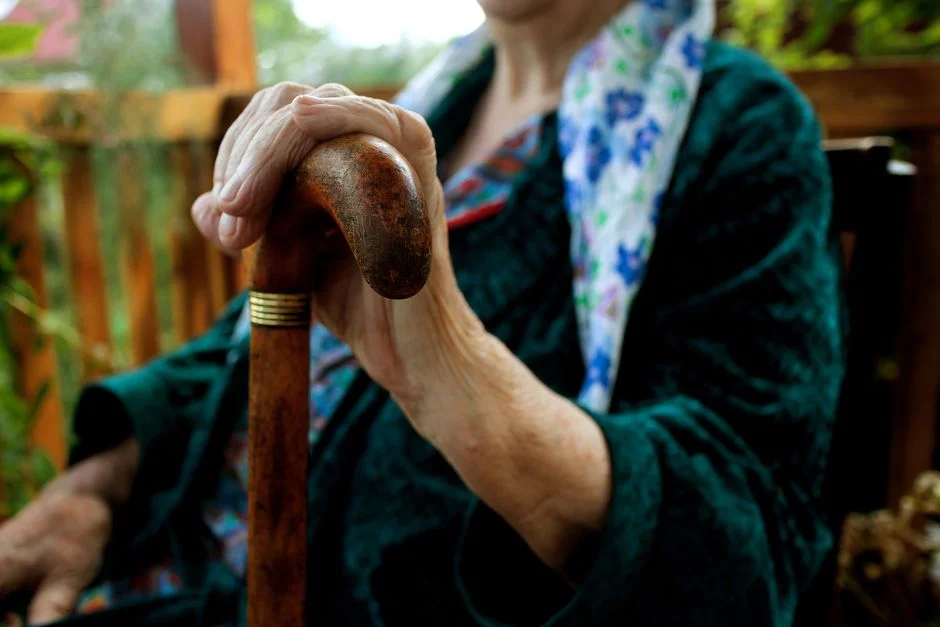
A derby handle , rounded and knob-shaped , is the most traditional. It distributes weight across the palm and works well for users who grip lightly and use the cane primarily for balance rather than significant weight-bearing. Occupational therapists frequently note that derby handles are better for users with mild gait instability than for those who need substantial offloading of a joint.
A crook handle (the classic inverted-J shape) is convenient for hanging the cane over an arm or chair back, but it offers the least ergonomic support. Users with hand or wrist pain should approach crook-handled canes cautiously. An offset or ergonomic handle, shaped to follow the natural contour of the hand, positions the wrist in a more neutral alignment , owner reviews across multiple platforms consistently cite reduced hand fatigue with anatomical handle designs during extended use.
Wood Species and Structural Integrity
Not all wood is equal in a load-bearing context. Hickory, the species used in some American-made handmade canes, is among the densest hardwoods available domestically , it is the same material historically used for tool handles and sporting equipment precisely because of its resistance to splitting under stress. Walnut, cherry, and maple are also common in handmade cane production; they are beautiful and durable, though slightly less impact-resistant than hickory.
What matters practically is grain consistency. A cane with straight grain running the full length of the shaft is structurally stronger than one where the grain deviates significantly. Verified buyers on multiple platforms note that well-made wooden canes show no flex or creak under normal body weight, which is the baseline to expect from a reputable handmade option.
Fixed Height Versus Adjustable Height
Most handmade wooden canes are fixed-length , cut and finished to a standard height, or in some cases to a range of preset lengths. This is where handmade canes require more careful pre-purchase evaluation than adjustable aluminum models.
Proper cane height places the handle at approximately the crease of the wrist when the user stands upright with shoes on and arms relaxed at their sides. The elbow should bend at roughly 15 to 20 degrees when gripping the handle. Getting this wrong , even by an inch or two , shifts weight distribution in ways that increase fatigue and can create secondary strain in the shoulder or lower back. Before purchasing a fixed-height handmade cane, it is worth asking an occupational therapist or physical therapist to confirm the correct measurement. Some handmade cane makers offer adjustable models with multiple preset notches; these provide more flexibility for users who are between standard heights.
Exploring the full range of mobility canes and walking aids before settling on a fixed-height model is time well spent, particularly if the user’s needs are still being assessed by a care team.
Tip Type and Floor Safety
The rubber tip at the base of a cane is a small component with an outsized effect on safety. Standard single-point rubber tips are adequate on flat, dry surfaces. Wider “mushroom” or flared tips provide more contact area and greater stability on uneven ground. Some handmade cane manufacturers include a basic tip that can be replaced; others specify proprietary sizing.
Owner reports consistently emphasize checking tip diameter before purchasing a replacement , not all tips are interchangeable. The tip should be replaced when the rubber shows visible wear, and many occupational therapists recommend inspecting it every six months for users who rely on the cane daily.
Top Picks
Asterom Handcrafted Walking Cane
The Asterom Handcrafted Walking Cane leads this list on the strength of its derby handle execution. The ergonomic shaping on the derby head distributes grip pressure across the palm rather than concentrating it at the fingers , a distinction that owner reviews repeatedly surface as meaningful for users logging significant daily steps.
The wood construction is lightweight relative to hickory alternatives, which matters for users who tire quickly or have reduced upper-body strength. Verified buyers note that the finish is smooth without being slippery, and the shaft shows consistent grain. As with all fixed-dimension handmade canes, confirming the correct shaft length before purchase is essential , an OT consultation is the most reliable way to do this.
The aesthetic case for this cane is strong. The classic derby silhouette reads as intentional rather than clinical, which matters to users who wear the cane visibly in social and professional settings.
Check current price on Amazon.
Cane Masters Handmade Wooden Classic American Walking Cane
American hickory is the defining feature of the Cane Masters Handmade Wooden Classic American Walking Cane, and it is a genuine material advantage. Hickory is among the hardest and most impact-resistant domestic wood species , owner feedback on this model specifically cites confidence in the shaft’s rigidity under full body weight, which is not a given across all handmade wooden canes.
The classic design is straightforward and unadorned. Users who want a cane that looks like a cane , not a lifestyle accessory , will find the restraint appropriate. The ergonomic handle sits comfortably in a standard grip, though users with smaller hands or significant grip weakness may want to compare handle circumference against other options before committing.
Handmade production means lead times can vary. Verified buyers report quality that justifies the wait, but users who need a replacement cane quickly should factor fulfillment time into the decision. Natural wood maintenance , occasional conditioning with a wood-safe oil , is a routine requirement, not a defect.
Check current price on Amazon.
Wooden Walking Cane with 5 Height
The most practically flexible option in this group, the Wooden Walking Cane with 5 Height addresses one of the central limitations of handmade wooden canes: fixed shaft length. Five preset height positions mean this cane can accommodate a broader range of users than a single-cut model, and it makes the pre-purchase height calculation less critical.
The comfort grip handle is designed for extended-use support , owner reviews describe it as less fatiguing than smooth wooden handles over the course of a full day. For users transitioning to a cane and still determining their preferred height, the adjustability here reduces the risk of an ill-fitting purchase.
The tradeoff is that multi-piece adjustable construction introduces mechanical joints that a single-piece handmade cane does not have. Buyers should confirm that the locking mechanism at each height position is firm and shows no flex under load before relying on the cane for significant weight-bearing.
Check current price on Amazon.
Walking Cane - Handmade, Wooden, Ergonomic, Stylish
Ergonomic handle design is the central claim of the Walking Cane - Handmade, Wooden, Ergonomic, Stylish, and owner feedback broadly supports it. The handle geometry is shaped to reduce wrist deviation during use, which aligns with what occupational therapy community consensus identifies as important for users with arthritis or prior wrist injury.
The cane is marketed to both men and women, and the proportions appear to reflect that , the shaft diameter and handle size occupy a middle range rather than being scaled specifically to larger or smaller hand sizes. Users at either end of the grip-size spectrum should verify handle circumference fits their hand comfortably.
Handmade wooden construction at this price band typically means a finished product that is more aesthetically considered than a mass-produced alternative, but with the maintenance expectations that wood requires. Owner reviews note the finish holds well with normal indoor use; outdoor use in wet conditions warrants additional care.
Check current price on Amazon.
URFORESTIC Handmade Wooden Walking Cane
At a fixed 36-inch shaft, the URFORESTIC Handmade Wooden Walking Cane is sized for users in a mid-to-tall height range , roughly five feet seven inches to six feet two inches under standard cane-fitting guidelines. Users outside that range should confirm the fixed height matches their measurement before purchasing; a cane that is too long or too short creates compensatory posture patterns that defeat the purpose of using one.
The dark brown finish is consistent and well-applied according to verified buyer reports, and the ergonomic handle receives specific mention for comfortable grip during extended walks. Solid wood construction means no mechanical joints to loosen over time, which is a durability advantage over adjustable models in the same category.
For a buyer whose height measurement falls within the 36-inch range and who prioritizes a single-piece solid wood build, this is a well-regarded option. Confirming the fit with a physical or occupational therapist before purchase remains the most reliable step any buyer can take with a fixed-height cane.
Check current price on Amazon.
Buying Guide
Matching Cane Type to Mobility Need
Handmade wooden canes are appropriate for users who need moderate balance support or mild offloading of a joint , not for users who require substantial weight transfer with each step. The single-point design means the cane provides support only at one floor contact point. Users with significant balance impairment or those recovering from surgery should discuss cane type with a physical therapist before selecting a single-point wooden model.
The distinction matters for handmade cane buyers specifically because the appeal of these canes is often aesthetic , and aesthetic preference can lead buyers to choose a style that does not match their actual support need. Field reports from caregiver forums consistently note this mismatch as a common purchase error.
Height Fit Is Non-Negotiable
A cane that is the wrong height is worse than no cane in some respects , it introduces compensatory movement patterns that strain the shoulder, wrist, or lower back over time. For fixed-height handmade canes, the purchase decision must start with a confirmed height measurement, not end with one.
Standard guidance places the handle at wrist crease height when standing upright in normal footwear. Occupational therapists and physical therapists can confirm this measurement and flag any postural factors that might modify it. For buyers choosing between a fixed-height and an adjustable handmade option, users who are uncertain of their ideal height or who are still in a recovery process are better served by an adjustable model. The five-position adjustability of options like the Wooden Walking Cane with 5 Height is a practical hedge for that uncertainty.
Wood Maintenance Expectations
Every wooden cane in this category requires periodic maintenance. Finish degradation, minor surface cracking from humidity changes, and tip wear are all predictable over time. The maintenance burden is not onerous , most manufacturers recommend occasional application of wood-safe oil or polish , but it is a real commitment that synthetic cane buyers do not face.
Buyers who are purchasing for an elderly parent or family member should consider whether the recipient will reliably manage that care, or whether a lower-maintenance material would be more practical. The broader range of canes and mobility walking aids includes aluminum and composite options where maintenance is not a factor. Handmade wooden canes reward owners who engage with them as objects; they do not perform well under neglect.
Handle Selection for Users With Hand or Wrist Conditions
Users with rheumatoid arthritis, osteoarthritis, carpal tunnel syndrome, or prior wrist fracture should pay particular attention to handle geometry. The occupational therapy community’s consistent recommendation is that a wider, flatter grip surface reduces pinch force requirements and distributes pressure more evenly than a narrow or cylindrical handle.
Derby and ergonomic handles generally outperform crook handles for this user group. Owner reviews on ergonomically designed handmade canes specifically cite reduced hand fatigue as a distinguishing feature. If hand or wrist condition is a significant factor, asking an OT to review handle options before purchasing is the most reliable path , what feels comfortable in a brief trial can differ substantially from what holds up over a full day of use.
Tip Condition and Replacement Planning
The rubber tip is a consumable. It wears with use and should be inspected regularly , occupational therapists commonly recommend every three to six months for daily users. A worn tip reduces traction and can cause the cane to slip, which defeats its primary safety function.
Before purchasing a handmade wooden cane, verify whether the manufacturer specifies the tip diameter and whether standard replacement tips in that size are readily available. Some handmade canes use proprietary or non-standard tip sizes that complicate replacement. Stocking one replacement tip at the time of initial purchase is a practical habit that many long-term cane users recommend in community forums and caregiver groups.
Frequently Asked Questions
Do handmade wooden canes provide as much support as aluminum adjustable canes?
For moderate balance support and mild joint offloading, solid wood construction is structurally adequate , hickory in particular is an extremely dense hardwood. The limitation is typically fit rather than material strength. An aluminum cane adjusts to the correct height easily; a fixed-height wooden cane must be ordered at the right length. For users who need frequent height adjustments or significant weight-bearing support, adjustable models may be more practical regardless of material.
How do I know what height cane to order?
Standard cane-fitting guidance places the handle at the crease of the wrist when you stand upright in normal footwear with your arm relaxed at your side. Your elbow should bend at approximately 15 to 20 degrees when gripping the handle. Individual posture, footwear heel height, and specific mobility conditions can modify that baseline. Occupational therapists and physical therapists can confirm the correct measurement, and that consultation is worth arranging before purchasing a fixed-height handmade cane.
Is a derby handle or an ergonomic handle better for arthritis?
The ergonomic or anatomical handle is generally the stronger choice for users with hand or wrist arthritis. It positions the wrist in a more neutral alignment and distributes grip pressure across a wider surface area than a rounded derby handle. Occupational therapists commonly recommend ergonomic handle designs for users who report hand fatigue or pain during cane use. Owner reviews of ergonomic handmade models like the Walking Cane - Handmade, Wooden, Ergonomic, Stylish specifically cite reduced wrist strain as a practical benefit.
How often do wooden canes need maintenance?
Most handmade wooden canes benefit from periodic conditioning , a light application of wood-safe oil or polish once or twice a year under normal use conditions. Surface finish can degrade faster if the cane is regularly exposed to moisture or temperature extremes. The rubber tip requires separate attention and should be inspected every three to six months for wear. A worn tip is a safety concern and should be replaced promptly; confirm tip diameter with the manufacturer before ordering a replacement.
Can the same handmade cane be used by both men and women?
Yes, in most cases , handle circumference and shaft diameter on the handmade wooden canes in this category fall within a range that accommodates most adult hand sizes. The more relevant variable is shaft height, not gender. Users with very small or very large hands should check handle dimensions before purchasing. Models marketed explicitly to both men and women, such as the URFORESTIC Handmade Wooden Walking Cane, typically reflect mid-range sizing that suits the majority of adult users.
Where to Buy
Asterom Handcrafted Walking Cane - Ergonomic, Derby, Wooden Canes for Men, Fashionable Walking Sticks for SeniorsSee Asterom Handcrafted Walking Cane - Er… on Amazon